
Simplifying transactions, securing success
In today’s digital age, consumers expect a seamless shopping experience, regardless of where or how they choose to shop. This means that businesses need to implement an omnichannel payment strategy to provide customers with a consistent and convenient payment experience across all channels. In this blog post, we’ll explore how to implement a successful omnichannel payment strategy.
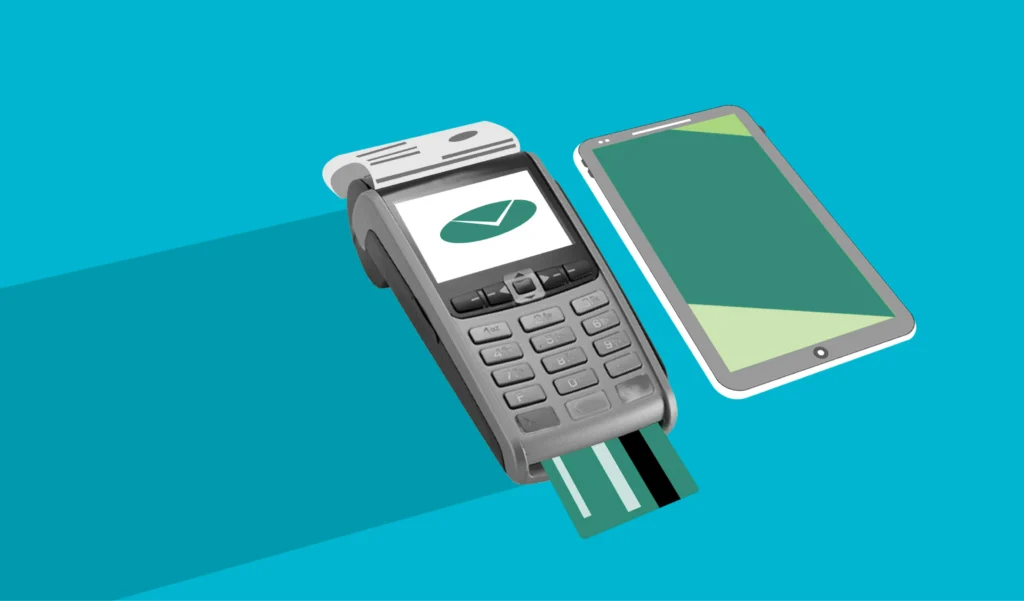
The first step in implementing an omnichannel payment strategy is to evaluate your current payment processes. Identify all the payment channels that you currently offer, including in-store, online, mobile, and any other channels. Evaluate the customer experience at each touchpoint and identify areas for improvement.
A centralized payment platform can help to streamline the payment process and provide a consistent experience across all channels. This platform should be able to support all payment methods, including credit cards, mobile payments, and alternative payment methods such as PayPal and Apple Pay.
To provide a truly seamless customer experience, your payment platform needs to be integrated with other systems, such as your e-commerce platform, point-of-sale (POS) system, and inventory management system. This will help to ensure that customer data is consistent across all channels and that inventory levels are updated in real-time.
To cater to a diverse customer base, businesses need to offer a range of payment options. This includes credit cards, mobile payments, e-wallets, and other alternative payment methods. Offering flexible payment options can help to increase customer satisfaction and reduce cart abandonment rates.
With the rise of online fraud and data breaches, it’s more important than ever to ensure the security and compliance of your payment systems. Make sure that your payment platform is PCI compliant and that all transactions are encrypted and secure.
To ensure the success of your omnichannel payment strategy, it’s important to monitor and optimize performance. Use analytics to track customer behavior across all channels and identify areas for improvement. Make adjustments as needed to ensure a seamless customer experience.
In conclusion, implementing a successful omnichannel payment strategy requires careful planning and execution. By evaluating your current payment processes, investing in a centralized payment platform, integrating your payment platform with other systems, providing multiple payment options, ensuring security and compliance, and monitoring and optimizing performance, you can provide a seamless and convenient payment experience for your customers across all channels.

Unlock the potential of seamless payment processing with Daystar Payments. If you’re seeking to elevate your business with a reliable merchant account or exploring our comprehensive suite of payment processing solutions, we’re here to help. Take the first step towards efficiency and growth by applying now. Your journey to simplified transactions starts here. Click the button below to know more.