Credit Card Processing
Payment Gateways
Mobile Payment Apps
ACH and E-Checks
Subscription Billing
Sell Internationally
Credit Card Processing
B2B
Credit Card Processing
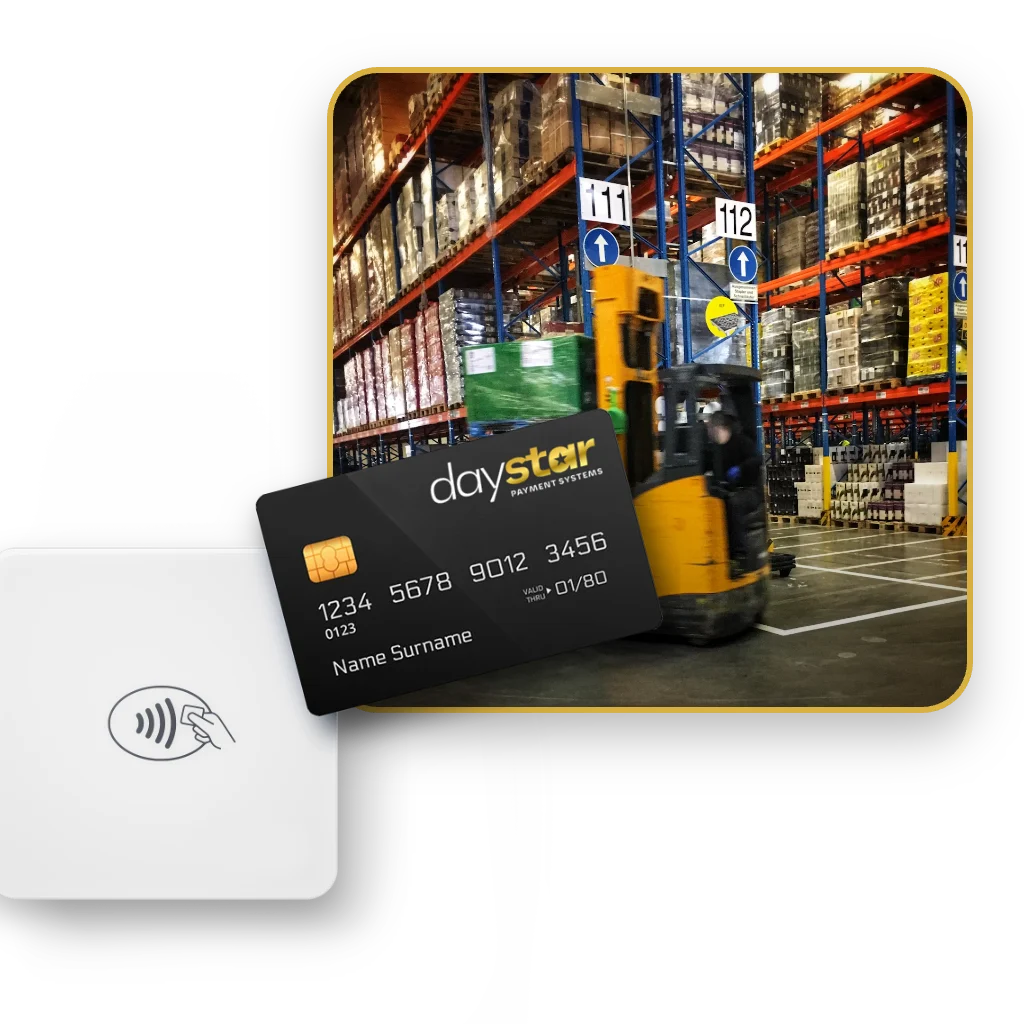
Accept corporate, commercial and purchasing cards on large invoices without leaving money in downgrade fees. Daystar submits Level 2 and Level 3 data automatically and prices on an interchange-plus basis, so each statement shows the true network cost and our margin separately. That transparency makes it easy to confirm that optimized transactions are qualifying where they should.

Payment Gateways
B2B
Payment Gateways
Our gateway captures the Level 2 and Level 3 fields that card networks look for, including tax amounts, customer codes, commodity codes and line-item detail, and it integrates with common ERP and accounting systems. Your team keeps invoicing the way it does now while the gateway handles the data enrichment in the background, with no manual entry or retraining.
Mobile Payment Apps
B2B
Mobile Payment Apps
Field sales reps, delivery drivers and trade-show teams can take card payments on a phone or tablet at the point of delivery or order. Mobile acceptance keeps receivables moving when a buyer wants to pay on the spot, and transactions still flow into the same reporting as your office and online payments, so reconciliation stays in one place.

ACH and E-Checks
B2B
ACH & E-Checks
Many business buyers prefer to pay large invoices from a bank account. Daystar ACH and eCheck processing gives them that option at a lower cost than cards on high-ticket payments, which helps on thin-margin wholesale orders. Offering both cards and ACH lets customers choose, while you keep the collection terms, reminders and records consistent.

Subscription Billing
B2B
Subscription Billing
B2B SaaS platforms, maintenance agreements and standing supply orders run on predictable billing. Recurring billing lets you charge corporate cards or bank accounts on a fixed schedule, with card-updater tools that reduce failed payments when a company card is reissued. Automated retries and notifications cut down the time your AR team spends chasing renewals.

Sell Internationally
B2B
International Sales
Distributors and manufacturers that sell across borders can accept multiple currencies and settle through a network of 20 acquiring banks on 4 continents, with domestic and offshore processing available. International buyers see pricing in a familiar currency, and you avoid turning away export orders because your current processor only supports domestic cards.

Credit Card Processing
Payment Gateways
Mobile Payment Apps
ACH and E-Checks
Subscription Billing
Sell Internationally
Credit Card Processing
B2B
Credit Card Processing
 Accept corporate, commercial and purchasing cards on large invoices without leaving money in downgrade fees. Daystar submits Level 2 and Level 3 data automatically and prices on an interchange-plus basis, so each statement shows the true network cost and our margin separately. That transparency makes it easy to confirm that optimized transactions are qualifying where they should.
Payment Gateways
B2B
Payment Gateways
Our gateway captures the Level 2 and Level 3 fields that card networks look for, including tax amounts, customer codes, commodity codes and line-item detail, and it integrates with common ERP and accounting systems. Your team keeps invoicing the way it does now while the gateway handles the data enrichment in the background, with no manual entry or retraining.Mobile Payment Apps
B2B
Mobile Payment Apps
 Field sales reps, delivery drivers and trade-show teams can take card payments on a phone or tablet at the point of delivery or order. Mobile acceptance keeps receivables moving when a buyer wants to pay on the spot, and transactions still flow into the same reporting as your office and online payments, so reconciliation stays in one place.
ACH and E-Checks
B2B
ACH & E-Checks
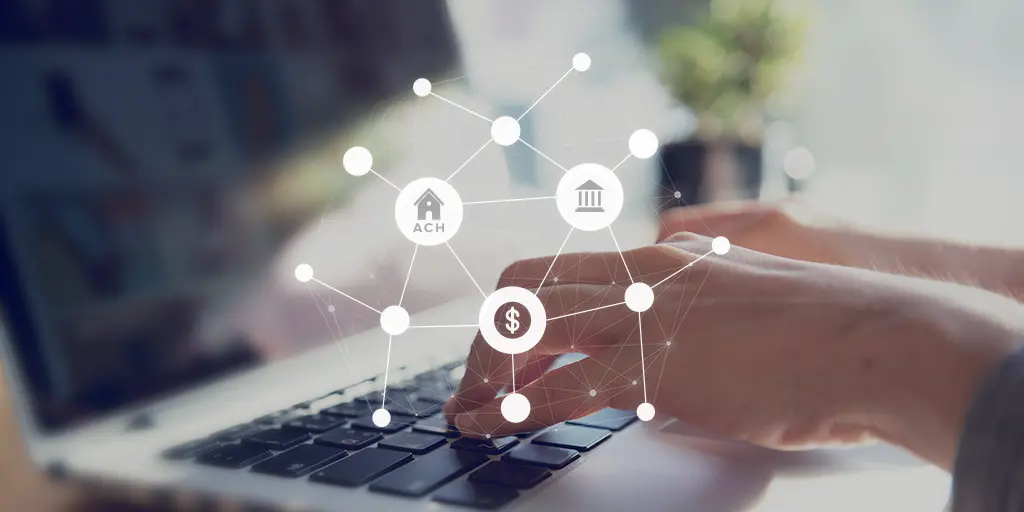 Many business buyers prefer to pay large invoices from a bank account. Daystar ACH and eCheck processing gives them that option at a lower cost than cards on high-ticket payments, which helps on thin-margin wholesale orders. Offering both cards and ACH lets customers choose, while you keep the collection terms, reminders and records consistent.
Subscription Billing
B2B
Subscription Billing
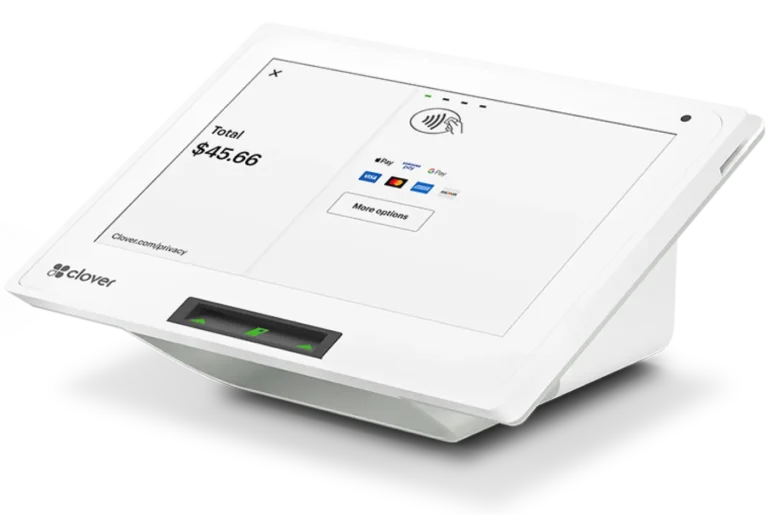 B2B SaaS platforms, maintenance agreements and standing supply orders run on predictable billing. Recurring billing lets you charge corporate cards or bank accounts on a fixed schedule, with card-updater tools that reduce failed payments when a company card is reissued. Automated retries and notifications cut down the time your AR team spends chasing renewals.
Sell Internationally
B2B
International Sales
 Distributors and manufacturers that sell across borders can accept multiple currencies and settle through a network of 20 acquiring banks on 4 continents, with domestic and offshore processing available. International buyers see pricing in a familiar currency, and you avoid turning away export orders because your current processor only supports domestic cards.