Introduction
The way we pay for goods and services is constantly evolving, driven by advancements in technology and changing consumer preferences. Contactless payments have emerged as a popular and convenient method of payment, offering a faster and more seamless transaction experience for both consumers and businesses. In this blog, we will explore the concept of contactless payments and delve into the future of in-store transactions. We will discuss the benefits of contactless payments, the technology behind them, and how they are transforming the way we shop. Additionally, we will examine the challenges and considerations associated with contactless payments, as well as the potential for further innovation in this space.
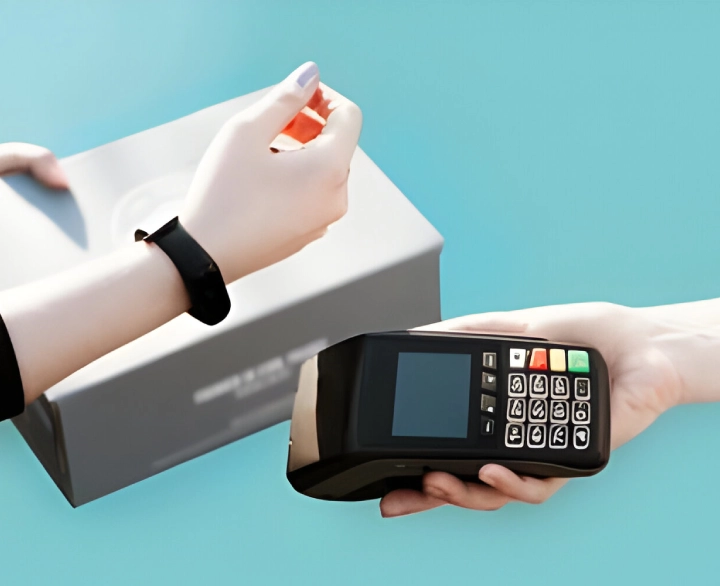
The Rise of Contactless Payments
Contactless payments have witnessed significant growth in recent years, driven by various factors. One of the primary drivers is the increasing adoption of smartphones and wearable devices equipped with near-field communication (NFC) technology. NFC enables secure and encrypted communication between devices in close proximity, making it ideal for contactless payments. With a simple tap or wave of a smartphone, consumers can complete transactions quickly and conveniently, eliminating the need for physical cash or traditional card payments.
Benefits of Contactless Payments
Convenience and Speed
One of the key advantages of contactless payments is their convenience and speed. With contactless-enabled devices, consumers can make payments swiftly by simply tapping or waving their device near a contactless payment terminal. This eliminates the need to fumble for cash or insert cards into a machine, reducing transaction time and improving the overall shopping experience.
Enhanced Security
Contactless payments offer enhanced security compared to traditional payment methods. The use of encryption and tokenization technology ensures that sensitive payment information is securely transmitted and protected from potential fraud or data breaches. Additionally, with contactless payments, the physical card or device remains in the possession of the customer throughout the transaction, reducing the risk of card skimming or theft.
Hygiene and Safety
In light of the COVID-19 pandemic, contactless payments have gained even more prominence due to their hygienic nature. By eliminating the need for physical contact with payment terminals, contactless payments help reduce the spread of germs and provide a safer payment option for both consumers and merchants.
Versatility and Flexibility
Contactless payments are versatile and can be used across various channels and environments. Whether in-store, online, or through mobile apps, contactless payments offer a seamless and consistent payment experience. This versatility allows businesses to cater to the evolving needs and preferences of their customers, providing them with a range of options to complete transactions.
Technology behind Contactless Payments
Contactless payments rely on near-field communication (NFC) technology, which enables the secure exchange of data between devices in close proximity. NFC-enabled devices, such as smartphones, smartwatches, or contactless payment cards, contain a small chip that stores the necessary payment information. When a consumer initiates a contactless payment, the device communicates with the payment terminal using radio frequency signals. The encrypted payment data is transmitted and verified, completing the transaction within seconds.
The Future of In-Store Transactions
Contactless payments are not just a passing trend but represent the future of in-store transactions. As technology continues to advance, we can expect further innovations and improvements in this space. Here are some key trends and developments that will shape the future of contactless payments:
Mobile Wallets and Digital Payments
The proliferation of mobile wallets, such as Apple Pay, Google Pay, and Samsung Pay, has transformed the way we make payments. These digital wallets enable consumers to store their payment information securely and make contactless payments using their smartphones. As mobile wallet adoption continues to grow, we can expect increased integration with loyalty programs, personalized offers, and enhanced features that further enhance the convenience and functionality of contactless payments. Mobile wallets will likely become a central hub for managing not just payments but also loyalty rewards, digital coupons, and even identification credentials, offering a comprehensive and streamlined shopping experience.
Wearable Devices
The rise of wearable technology, such as smartwatches and fitness trackers, presents new opportunities for contactless payments. With embedded NFC chips, wearables can serve as convenient payment devices, allowing users to make purchases with a simple tap of their wrist. As wearable devices become more commonplace, we can expect to see increased integration of contactless payment capabilities, further enhancing the convenience and accessibility of in-store transactions.
Internet of Things (IoT) Integration
The Internet of Things (IoT) is revolutionizing various aspects of our lives, and payment transactions are no exception. IoT devices, such as smart refrigerators, vending machines, and connected cars, have the potential to become payment-enabled, allowing seamless and autonomous transactions. For example, a smart refrigerator equipped with contactless payment capabilities can automatically reorder groceries when supplies run low, eliminating the need for manual intervention. The integration of contactless payments with IoT devices will not only enhance convenience but also open up new possibilities for frictionless and automated transactions.
Biometric Authentication
Biometric authentication, such as fingerprint or facial recognition, is becoming increasingly prevalent in various applications, including payment authentication. Biometric authentication adds an extra layer of security and convenience to contactless payments, as users can simply authenticate themselves using their unique biometric data. This eliminates the need for PINs or passwords and provides a seamless and secure payment experience. As biometric technology continues to advance and become more widespread, we can expect its integration into contactless payment systems to become more prevalent, further enhancing security and ease of use.
Seamless Integration with Retail Technologies
Contactless payments will continue to evolve in tandem with other retail technologies, such as point-of-sale (POS) systems, inventory management systems, and customer relationship management (CRM) tools. Seamless integration between these technologies will enable businesses to gather valuable customer data, provide personalized offers and recommendations, and streamline the overall shopping experience. For example, a customer making a contactless payment can receive instant digital receipts and personalized loyalty offers based on their purchase history. By integrating contactless payments with other retail technologies, businesses can create a more connected and tailored shopping experience for their customers.
Conclusion
Contactless payments have rapidly gained popularity and are reshaping the future of in-store transactions. With their convenience, enhanced security, and versatility, contactless payments offer numerous benefits to both consumers and businesses. As technology continues to advance, we can expect further innovations and improvements in contactless payment solutions, including mobile wallets, wearable devices, IoT integration, biometric authentication, and seamless integration with other retail technologies. By embracing contactless payments, businesses can provide a frictionless and secure payment experience, enhance customer satisfaction, and stay ahead in an increasingly digital and connected world.

Looking for the
Best High-Risk Payment Processing Solution ?
Unlock the potential of seamless payment processing with Daystar Payments. If you’re seeking to elevate your business with a reliable merchant account or exploring our comprehensive suite of payment processing solutions, we’re here to help. Take the first step towards efficiency and growth by applying now. Your journey to simplified transactions starts here. Click the button below to know more.